Light, medium, and dark are not separate species of coffee. They are broad descriptions of how far a roaster takes the same kind of green seed through heat. The longer roasting continues, the more the bean changes color, loses moisture, expands, and trades some origin character for flavors created by roasting itself.
Those labels are useful, but they are not regulated measurements. One company’s medium can look like another company’s light. The name on the bag is a direction, not a universal coordinate. Taste, color, and the roaster’s description tell you more when they are considered together.
What heat changes.
Green coffee starts dense, pale, and grassy. Inside the roaster it absorbs heat until water turns to steam and the bean’s structure begins to open. Sugars brown, acids shift, aromatic compounds form, and pressure builds toward a series of audible pops called first crack.
Light roasts usually finish during or shortly after first crack. Medium roasts continue long enough to develop more caramelized sweetness and body. Dark roasts move toward or beyond second crack, where the bean structure becomes more brittle and oils may begin to reach the surface.
Roasting does not simply add “roast flavor” on top of an unchanged coffee. Every stage changes the balance. Bright acids soften. Sugars transform. Delicate floral aromas can give way to toasted, chocolatey, smoky, or bittersweet notes. The goal is not to roast as little or as much as possible. It is to stop where that coffee tastes complete.
Roast level is a stopping point, not a quality score.
Light roast keeps the origin loud.
Light-roasted coffee tends to show the clearest differences between growing regions and processing methods. A washed Ethiopian coffee may taste floral and citrusy. A naturally processed coffee might lean toward berries or fermented fruit. A high-grown Central American coffee can show crisp apple, honey, or cocoa.
The body is often lighter and the acidity more noticeable. That does not mean the coffee is weak or sour. Well-developed light roast should still taste sweet and finished. Sourness usually points to under-extraction in brewing or to a roast that did not develop enough, not to lightness alone.
Light roasts are dense and can be harder to grind. They often benefit from slightly hotter water and a finer grind than darker coffee. Pour-over and batch drip make their clarity easy to notice, though a carefully dialed espresso can be vivid and sweet.
Choose light roast when you want fruit, flowers, tea-like structure, or a clear sense of where the coffee came from.
Medium roast aims for the middle.
Medium roast keeps some origin character while adding more flavors associated with browning: caramel, toasted nuts, milk chocolate, and rounded sweetness. Acidity is present but usually softer. Body feels fuller, and the coffee tends to behave predictably across several brewers.
That flexibility is why medium roast is the plainest recommendation for an unfamiliar bag. It works as drip coffee, French press, AeroPress, cold brew, and espresso without demanding a specialized recipe. It can taste lively black and still carry enough weight for milk.
Medium does not mean boring or average. It means the roaster is balancing what came from the farm with what happens in the drum. For many coffees, that balance reveals sweetness more clearly than either extreme.
Choose medium roast when you want chocolate and caramel alongside gentle fruit, or when one bag needs to satisfy several brewing methods.
Dark roast makes the roast loud.
Dark-roasted coffee emphasizes flavors created by extended heat: dark chocolate, toasted spice, smoke, molasses, and bittersweet caramel. Acidity drops, body feels heavier, and differences between origins become less obvious.
The best dark roasts are bold without tasting ashy. They stop before smoke flattens every other flavor. Surface oil can appear as the bean structure becomes more porous, but oil alone does not prove freshness or quality. It is mainly a sign of development and time.
Dark beans are brittle and extract readily. Use slightly cooler water or a coarser grind if the cup tastes harsh. They work especially well for people who add milk, because the strong roasted profile remains present in a latte or café au lait.
Choose dark roast when you prefer low acidity, a heavy texture, and flavors that lean toasted, bittersweet, and familiar.
Pick by flavor, then adjust the brew.
Start with the words you already use for food. If you like citrus, berries, florals, and tea, begin light. If you reach for caramel, nuts, and chocolate, begin medium. If you want smoke, molasses, dark chocolate, and a low-acid cup, begin dark.
Then brew with a steady ratio and taste after the coffee cools slightly. If a light roast feels sharp, grind finer or extend contact time before blaming the roast. If a dark roast feels dry or bitter, grind coarser or lower the water temperature. Small brewing changes help each roast show its best side.
Milk also changes the choice. Light coffee can become delicate or disappear in a large amount of milk. Medium and dark roasts usually stay more recognizable. For iced coffee, medium roast gives a balanced start, while dark roast provides a more forceful profile after dilution.
There is no progression from beginner dark roast to expert light roast. Preference is the entire point. A well-roasted coffee is the one that delivers the flavor it promises without obvious defects.
Read beyond the label.
Because roast names move between companies, check the tasting notes and any description of development. Words such as citrus, floral, and tea-like usually indicate a lighter approach. Caramel, nutty, and milk chocolate often point toward medium. Smoky, bittersweet, and dark chocolate suggest darker development.
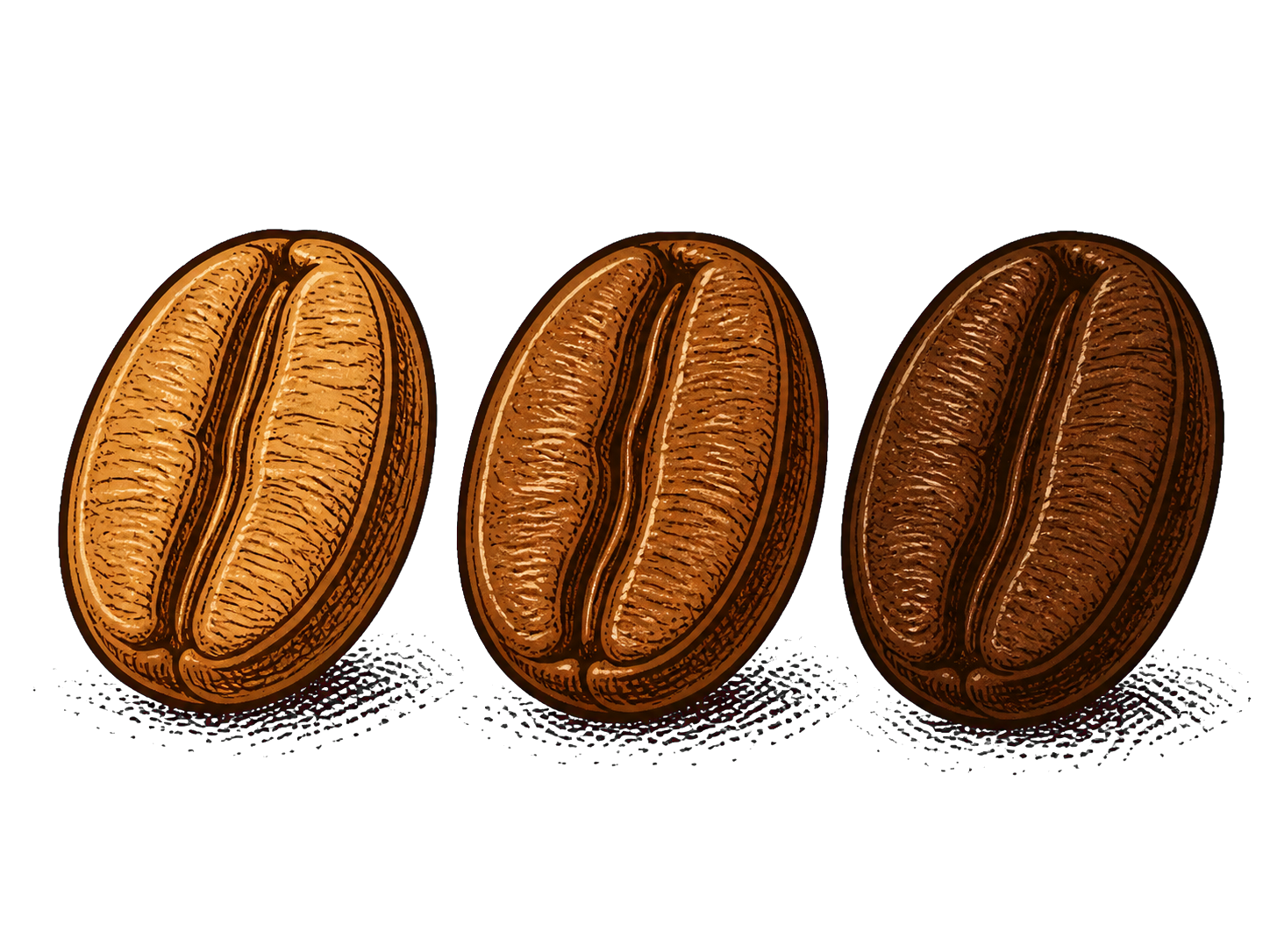
Look at the beans too. Pale brown and dry usually means light. Even chestnut brown suggests medium. Very dark color and visible oil suggest dark. Color is imperfect, but it helps translate one roaster’s vocabulary into another’s.
After a few bags, the pattern becomes simple. Roast level sets the broad direction. Origin and processing add detail. Your brewer and recipe decide how clearly those choices arrive in the cup.